Despite his words, Xiaomi's popularity and design cues borrowed from Apple were undeniable. The Mi 2S and Mi 3 consolidated Xiaomi's image, and by 2017, the company had officially entered the Spanish market. The recipe for success was simple: create good-quality, aesthetically pleasing devices at affordable prices.
Xiaomi soon expanded its product range, including Redmi devices aimed at the entry-level market and more premium Mi-branded smartphones. As a result, Xiaomi's market share steadily increased, and in August 2021, Counterpoint Research crowned Xiaomi as the second-largest smartphone manufacturer in the world, behind Samsung and ahead of Apple.
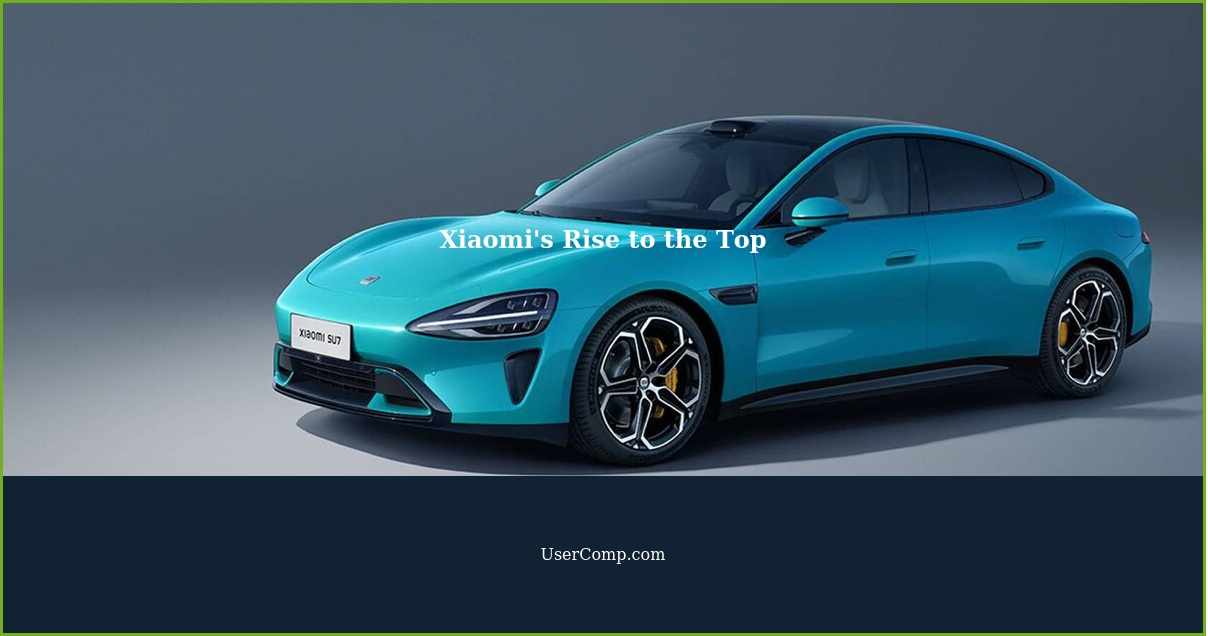
Now, Xiaomi has set its sights on a new challenge: electric vehicles. Lei Jun announced the Xiaomi SUV, which he described as the result of years of hard work, with the goal of becoming one of the top five automobile manufacturers in the world within the next 15 to 20 years. Xiaomi has made it clear that they aim to compete with Tesla, even going so far as to incorporate advanced driver-assistance systems like Xiaomi Pilot.
The idea of competing with Tesla is bold, and many question whether Xiaomi can succeed in such a competitive market. Tesla has become the undisputed leader in the electric vehicle market, and Elon Musk's company has faced numerous challenges to reach this point. However, Xiaomi has already proven its ability to disrupt the smartphone market, even pushing Apple to reconsider its strategies.
While it's unclear whether Apple will proceed with its rumored Project Titan, Xiaomi has already demonstrated its capability to innovate and challenge industry giants. However, the automotive market is much more complex and regulated than the smartphone market, and Xiaomi will face numerous obstacles.
As Lei Jun, founder and CEO of Xiaomi, once said, "If we had come to Spain earlier, we would have been number one." Now, with electric vehicles, Xiaomi seems poised to make another run for the top spot.