The Use of Greywater: A Closer Look at Hydraloop
Water scarcity is a pressing issue that affects millions of people around the world. While many of us may not think twice about using potable water to flush our toilets, it is worth considering that we could be using water more efficiently. In fact, approximately 10 liters of potable water are wasted every time we use the bathroom, which is a significant amount of water that could be put to better use.
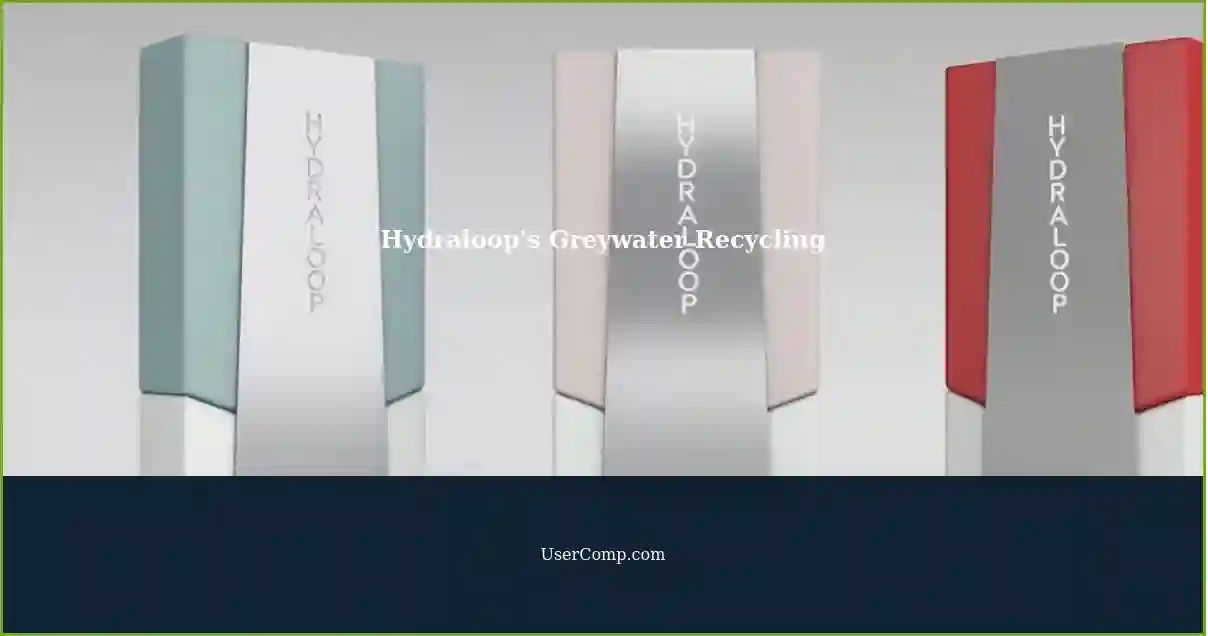
Enter Hydraloop, a Dutch startup that has developed a system that allows us to reuse the water we use in our showers, bathtubs, and sinks for flushing toilets. This greywater is treated before being reused, making it a more sustainable option than using potable water for the same purpose.
Greywater is water that has been previously used but is not contaminated with fecal matter. While it cannot be used directly for potable purposes, it can be treated and reused in other ways, such as for flushing toilets or in washing machines. This is where Hydraloop comes in.
Hydraloop's machines are designed to be used in both residential and corporate environments. They have dimensions similar to those of a refrigerator and use a six-step process to treat the greywater. This process includes sedimentation to separate solids, ultraviolet disinfection, and biological treatment. The treated water is then safe to be used for flushing toilets or in washing machines.
To date, Hydraloop has raised 16 million euros and has installed its machines in 43 locations, according to NextWeb. However, they are not the only company working on greywater recycling. Other companies, such as FGWRS in Monaco and Graytec in Sweden, are also developing greywater recycling systems, although their focus is on commercial installations.
A domestic Hydraloop machine costs around 3,200 euros, which means that homeowners will need to consider the payback period based on the amount of greywater they produce. However, the environmental benefits of recycling greywater cannot be overstated.
In addition to saving water, greywater recycling can also result in energy savings. This is because the water is stored at a temperature of around 20°C, which means that washing machines do not need to use as much energy to heat the water. Of course, the machines themselves consume energy, but the energy savings from not having to heat the water can offset this cost.
Hydraloop machines also have internet connectivity, which allows the company to monitor their performance and activity. According to Hydraloop's CEO, this feature is important for ensuring that the machines are working efficiently and effectively.