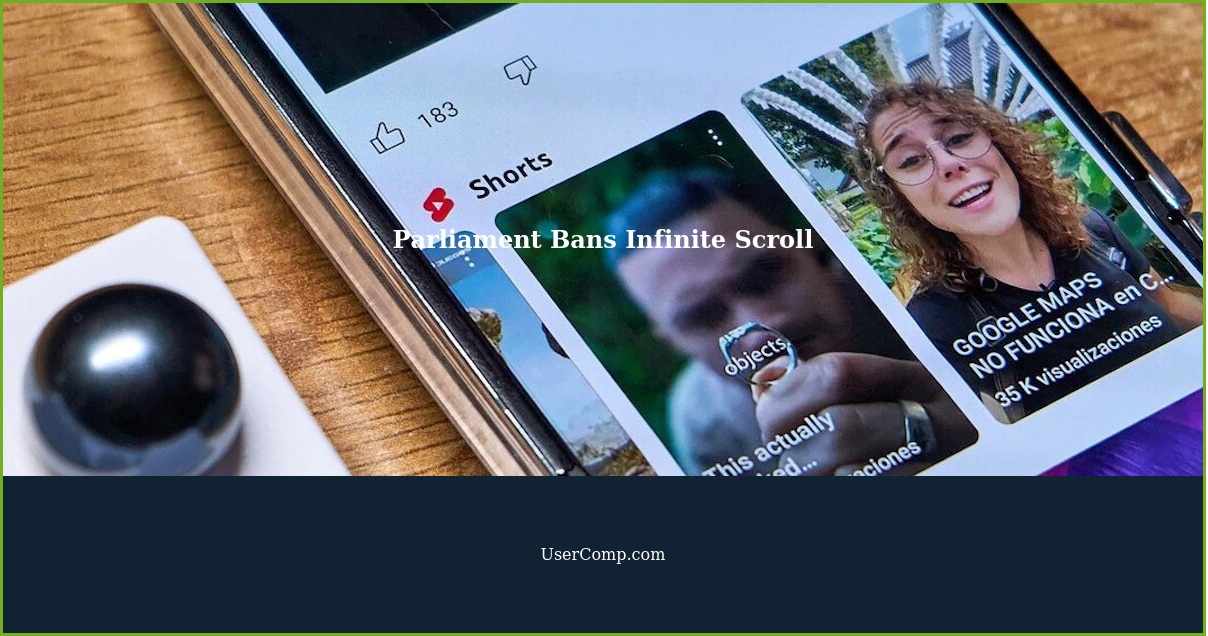
Scroll Infinito: The Addictive Technique That Could Be Banned in Europe
Aza Raskin, the creator of infinite scrolling, once described it as "behavioral cocaine" in an interview with the BBC. This technique, widely used by social media platforms, is aimed at increasing user engagement by encouraging endless scrolling. However, the European Parliament has recently approved a resolution to ban this addictive practice, putting an end to it. With a majority of 545 votes in favor, the European Parliament has passed a resolution calling for an end to addictive practices like infinite scrolling.
According to the MEPs, certain social media platforms and online games exploit this technique to create a strong addiction among users. They argue that these platforms "exploit people's vulnerabilities to capture their attention and monetize their data." The proposed legislation aims to radically change the design of apps such as TikTok and Instagram, promoting an "ethical design" without opaque patterns or addictive features like infinite scrolling. While the legislation is still in the process of being finalized, it would directly impact many of the most popular social media platforms that rely on this design to keep users hooked.
An Addiction Problem Comparable to Drugs
According to a report from the European Parliament, 25% of young people exhibit problematic phone use. "No amount of self-discipline can overcome the tricks of big tech companies, driven by armies of designers and psychologists to keep you glued to the screen. If we don't take action now, it will have an impact on the mental health and brain development of future generations," explains Kim Van Sparrentak, a Dutch MEP and rapporteur for this initiative.
The health effects of social media addiction are varied, ranging from stress and depression to decreased physical activity. While acknowledging the positive aspects of these platforms, policymakers are concerned about their dangers and are calling for appropriate regulation to address their impact.
Digital Right to "Not Be Disturbed"
The ban on infinite scrolling is just one of the measures that the European Parliament wants to implement. They have called on the European Commission to introduce a law that enshrines the so-called "digital right to not be disturbed." This concept encompasses practices such as "think before you share," "disable all notifications by default," "chronological order," "weekly screen time summaries," and automatic service blocking after a predetermined usage time. While many of these options are already available in various systems and applications, Europe wants to make them mandatory.
Europe's Ongoing Regulatory Strategy
Europe continues to pursue its strategy of regulating aspects that it deems detrimental to users. Through resolutions like this one, the European Parliament aims to put an end to the addictive use of social media platforms.