Phishing: An Explanation of a Common Cyber Attack
Phishing is a type of cyber attack that can be found in many places, such as SMS messages, emails, or websites. This article will explain the technique used in these attacks, although specifics can vary depending on the particular attack. The aim is to provide the essential information needed to understand the technique. This way, when you come across the term "phishing" in any of our articles, you will know exactly what it refers to.
The term "phishing" is an English word that literally means "fishing." The idea behind this technique is to cast a wide net of fraudulent messages, much like a fisherman casting a net to catch fish. The cybercriminal hopes that someone will take the bait, falling for the deception that has been designed. In phishing attacks, the cybercriminal may impersonate individuals, businesses, or organizations that are trusted by the victim. They may even use official logos. The goal is to deceive the victim into providing personal confidential information, such as passwords to access a website, bank account information, or credit card numbers. To achieve this, the attacker often includes a fraudulent link in the message that leads to a website designed to deceive the victim. This website may be a simple forgery of the official website of the entity being impersonated, or it may be an exact replica.
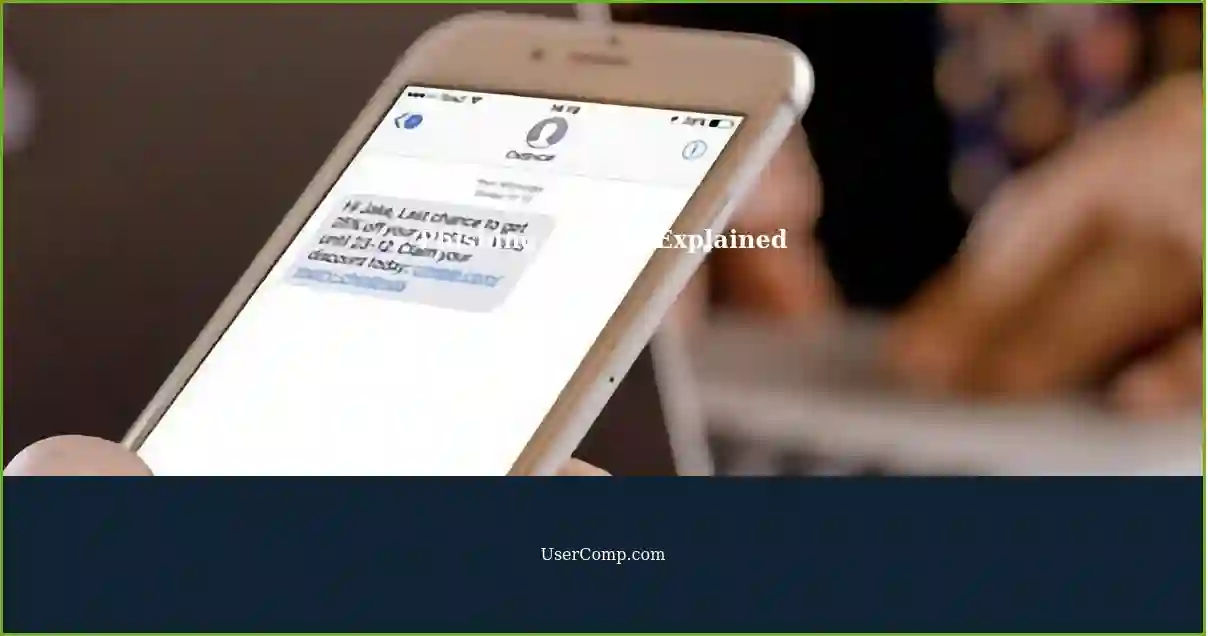
For example, a phishing attack may occur when an attacker sends an SMS message to thousands of people, claiming to be a bank or institution from which they have obtained the phone numbers by purchasing a stolen database. The SMS message may appear to be from a trusted source, such as a bank, and may contain a link to a website that looks legitimate. However, the website is actually a fake designed to steal the victim's bank card information. Although the attack is not specifically targeted at a particular individual, it can still be effective because many people may not realize that the message is fraudulent. However, sometimes phishing attacks can be more targeted, such as when an attacker sends SMS or email messages to specific individuals within a particular institution to obtain their credentials and gain access to the institution's network.