The El Argar Culture: Unraveling the Secrets Through Tombs
The El Argar culture is one of the earliest European civilizations, and also one of the most mysterious. Archaeologists have been gradually uncovering its secrets, and the latest research has achieved this through a key element for those investigating the past: tombs.
Tombs and Burial Practices in El Argar
A team of archaeologists from the University of Granada and the University College London has conducted one of the most comprehensive analyses of tomb distribution in the El Argar site, located in the western province of Almería, Spain. They have managed to locate and analyze a total of 628 tombs in this Bronze Age settlement.
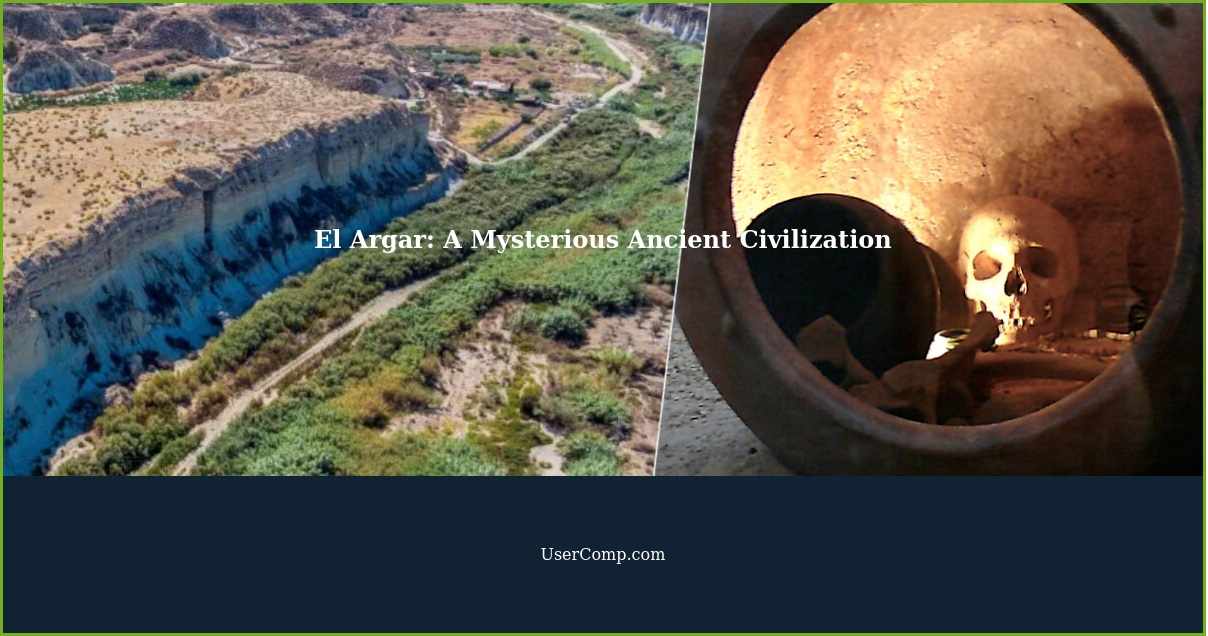
One of the most significant aspects of tomb distribution in El Argar is that this culture buried their dead within their homes. This implies that the distribution of the graves is linked to the distribution of houses in this prehistoric settlement. By studying the tombs, we can gain insight into how buildings and streets were distributed in El Argar.
Social Classes and Burial Sites
In addition to outlining the urban layout of the settlement, the researchers have been able to study the social classes that existed in the Argaric culture. According to the study, there was a correlation between the location of the tombs (and therefore homes) and the wealth of the grave goods found within them.
"It seems that there is an area in the site where people with a greater capacity for wealth accumulation would have lived and been buried, although not exclusively," explained Mercedes Murillo Barroso, co-author of the study, in a press release.
The analysis was made possible in part thanks to decades of work at the El Argar site. The researchers relied on original writings from previous generations of archaeologists and, with the help of Geographic Information Systems, were able to reconstruct some of the key aspects of the settlement's urban layout. The details of their study have been published in an article in the journal Trabajos de Prehistoria.
The Importance of Tombs in Archaeology
The fact that the tombs in El Argar are revealing important aspects of this prehistoric society is not surprising. Tombs are valuable sources of archaeological information.
Throughout history, many human societies have lived in settlements that either took advantage of natural elements such as caves or were constructed using organic materials such as wood or straw. Many cultures buried their dead with funerary goods that, being underground, were better preserved over time without being lost or excessively deteriorated.
These funerary goods could include a wide variety of objects, from coins to everyday items, tools, or weapons, which could provide clues about the person buried there, their social position, or their occupation.
Image: University of Granada / José-Manuel Benito Álvarez